

If your property features energy-efficient improvements, you may be missing out on valuable deductions. Learn how you can unlock significant savings and reduce your tax liabilities while boosting your property’s efficiency.
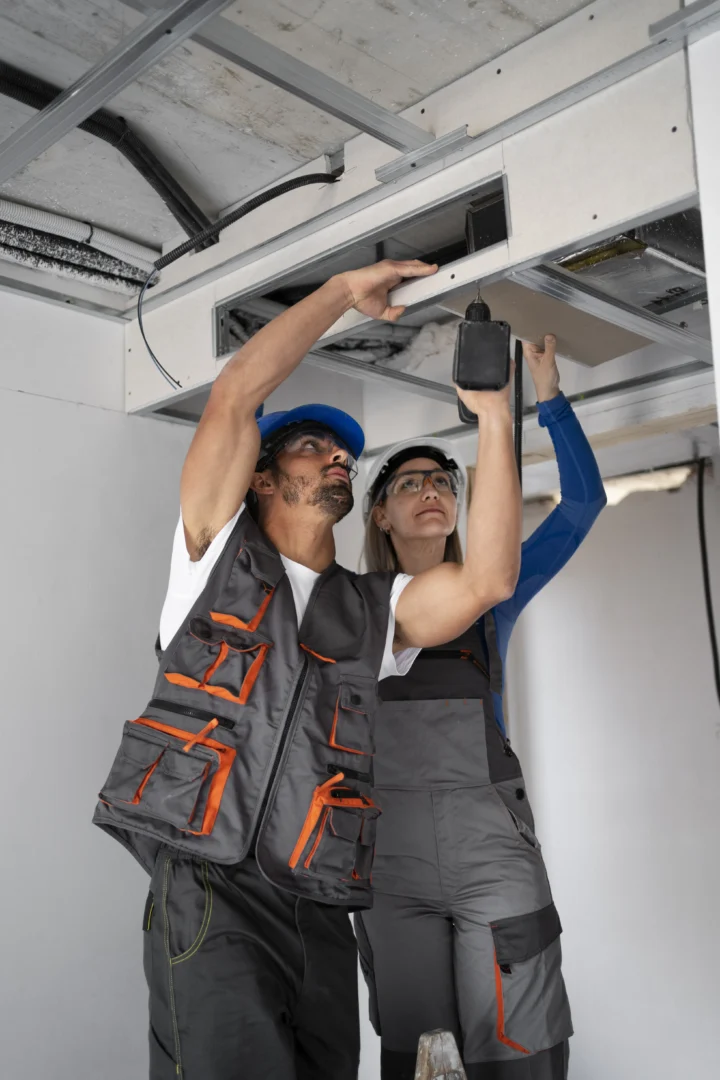
If you've made energy upgrades to your commercial property or designed one for a government agency, you may be missing out on up to $5 per square foot in tax deductions.
Energy-efficient building tax incentives allow developers, owners, and investors to claim significant federal tax benefits for constructing or upgrading properties with qualified energy-saving systems. The Section 179D Energy Efficient Commercial Building Tax Deduction provides tax deductions for energy-efficient improvements to commercial buildings and certain multifamily properties rewarding building owners and designers for reducing energy use. It applies to lighting, HVAC, and building envelope improvements and is stackable with other strategies.
To be eligible, improvements must enhance energy efficiency by targeting one or more of the following areas:
Deadline: For §179D, its deductions will expire for property whose construction begins after June 30, 2026. That means that if the building project starts construction on or before June 30, 2026 (and meets all other requirements), you may still qualify; if construction begins afterwards, the deduction will no longer be allowed.
→ $198K in deductions
→ $375K in deductions
→ $270K in deductions
At Specialty Tax Advisors, we bring decades of experience in helping businesses and property owners navigate the complexities of the 179D Tax Deduction. Here’s why we are the trusted partner for maximizing your energy-efficient tax benefits:
With over 130 years of combined experience in tax consulting, our team has deep knowledge of 179D and energy-efficiency-related tax incentives, ensuring you get the most value from your improvements.
We have helped numerous clients secure significant deductions for energy-efficient upgrades, with documented savings reaching into the hundreds of thousands of dollars.
If you've made qualifying improvements in the past, we can help you claim retroactive deductions, ensuring you don't miss out on tax savings from prior years.
From project planning to tax filing, we offer comprehensive services that cover all aspects of your 179D deduction, including identifying eligible improvements and ensuring compliance.
We understand that each property is unique. Our customized approach ensures that we align our strategies with your specific investment goals and tax situation.
We work closely with your architects, engineers, and contractors, ensuring that all energy-efficiency measures meet IRS standards, and your deduction is maximized.
Building owners, designers (such as architects and engineers), government contractors, and nonprofit organizations can claim the 179D tax deduction for installing qualifying systems to make their properties more energy-efficient. Specific eligibility depends on the type of property and improvements made.
The potential deduction applies to energy-efficient upgrades in lighting systems, HVAC systems, and more (insulation, windows, roofing, etc.). The improvements must meet specific energy efficiency standards outlined by the IRS.
For each qualifying energy-efficient project, you can deduct up to $1.80 per square foot of your building. The deduction rate varies depending on the level of energy efficiency achieved, with different rates for different systems within the building.
Yes! You can claim the 179D deduction for retroactive projects completed in prior tax years, as long as they meet the IRS’s energy efficiency standards. This means you can potentially claim deductions for energy-efficient upgrades made as far back as 2017.
Absolutely! The 179D deduction may be stacked with other tax credit incentives like bonus depreciation and cost segregation studies, allowing you to maximize your overall tax savings and improve the return on investment for your energy-efficient projects.
They usually don’t — but you can still claim it retroactively with the right study.